May 15, 2026
Precision cutting tools are integral to industries ranging from manufacturing to healthcare. This article explores the critical role of professional grinding in maintaining the performance and longevity of these tools. By delving into the technicalities and benefits of professional grinding, we can better understand its necessity for precision cutting operations. Grinding not only ensures sharpness and precision but also plays a vital part in prolonging tool life and improving safety. Given the essential nature of these tools in numerous industries, understanding the necessity of professional grinding is crucial for optimum operational efficiency.
Understanding the Basics of Precision Cutting Tools
Definition and Types of Precision Cutting Tools
Precision cutting tools are designed to meet exact specifications, providing exceptional accuracy and fine workmanship in various applications. Common types of these tools include drills, saws, and milling cutters, each crafted to perform specific cutting tasks with high precision. The design and material composition of precision tools are critical factors that directly impact their effectiveness. These tools must be crafted to withstand high pressure and wear, ensuring they maintain sharpness and functionality over time. Understanding these aspects of cutting tools is essential for appreciating the role professional grinding plays in maintaining their precision.
Applications in Various Industries
Precision cutting tools find their applications in a wide range of industries, including aerospace, automotive, and healthcare sectors. In the medical field, for instance, surgical instruments require unparalleled sharpness and precision to perform delicate and critical operations safely. Similarly, automotive and aerospace industries rely heavily on precision cutting tools for the manufacturing of complex components. The consistent and precise performance of these tools is crucial to ensure the efficiency and safety of the end products. Therefore, maintaining their sharpness and accuracy through professional grinding becomes indispensable.
Importance of Sharpness and Precision
Sharpness and precision are critical features for cutting tools to perform effectively. A sharpened tool not only enhances the efficiency of the cutting process but also reduces the force exerted by operators, minimizing fatigue and potential for error. Furthermore, maintaining precision is crucial for producing high-quality end products, particularly in sectors where accuracy is non-negotiable. Professionals must ensure that cutting tools are as sharp as possible to maintain strict tolerance levels required in many industries. Grinding applications, accounting for approximately 23% of the total cutting tool market, underscore the critical importance of maintaining tool precision through consistent and professional maintenance practices.
Material Composition and Design Considerations
The material composition and design of precision cutting tools profoundly influence their durability and performance. Typically made from high-speed steel, carbide, or diamond-tipped components, these materials provide the abrasion-resistant properties necessary for high-precision tasks. The design of the tool must also accommodate the specific needs of the application, which often includes considerations of shape, weight, and balance—each vital for precision cutting. These factors necessitate a professional approach to grinding to keep tools in peak condition. Properly maintained tools maximize efficiency and reduce waste during cutting operations, leading to cost savings and improved production output.
Challenges in Maintaining Tool Performance
Maintaining tool performance involves overcoming various challenges like wear, distortion, and adherence to precise specifications. Regular cutting operations can gradually degrade the tool's sharpness, leading to reduced effectiveness and increased wear. Additionally, the high speeds and pressures involved in precision cutting can cause distortions in the tool's structure, necessitating periodic recalibration. Professional grinding addresses these challenges by restoring the cutting edge and ensuring tools remain within required operational tolerances. Without proper grinding, tools can fail, resulting in costly downtime and potential damage to other equipment or compromised end-product quality.
The Role of Grinding in Tool Maintenance
How Grinding Enhances Cutting Efficiency
Grinding is a critical process in maintaining the cutting efficiency of precision tools by providing a sharp and consistent cutting edge. This process ensures that tools remain in optimal condition, facilitating smoother, faster, and more efficient cutting operations. A well-ground tool experiences less friction and requires less force during cutting, directly translating to increased operational efficiency. Additionally, professional grinding minimizes the occurrence of burrs and inaccuracies, leading to higher quality end results. Thus, regular grinding is essential to maximize productivity and maintain the economic viability of manufacturing processes reliant on precision cutting tools.
Differentiating Between Grinding and Other Maintenance Techniques
While there are multiple maintenance techniques available for precision cutting tools, grinding remains one of the most effective. Techniques such as honing, polishing, and buffing offer some degree of surface finish improvement, but do not address cutting edge integrity with the same thoroughness as grinding. Grinding involves the removal of excess material from the tool's surface, thereby restoring sharpness and precise angles needed for effective cutting. In contrast, other techniques may merely smooth or polish without improving critical edge sharpness. By focusing specifically on edge restoration, grinding acts as the cornerstone of effective tool maintenance.
Common Grinding Methods for Tools
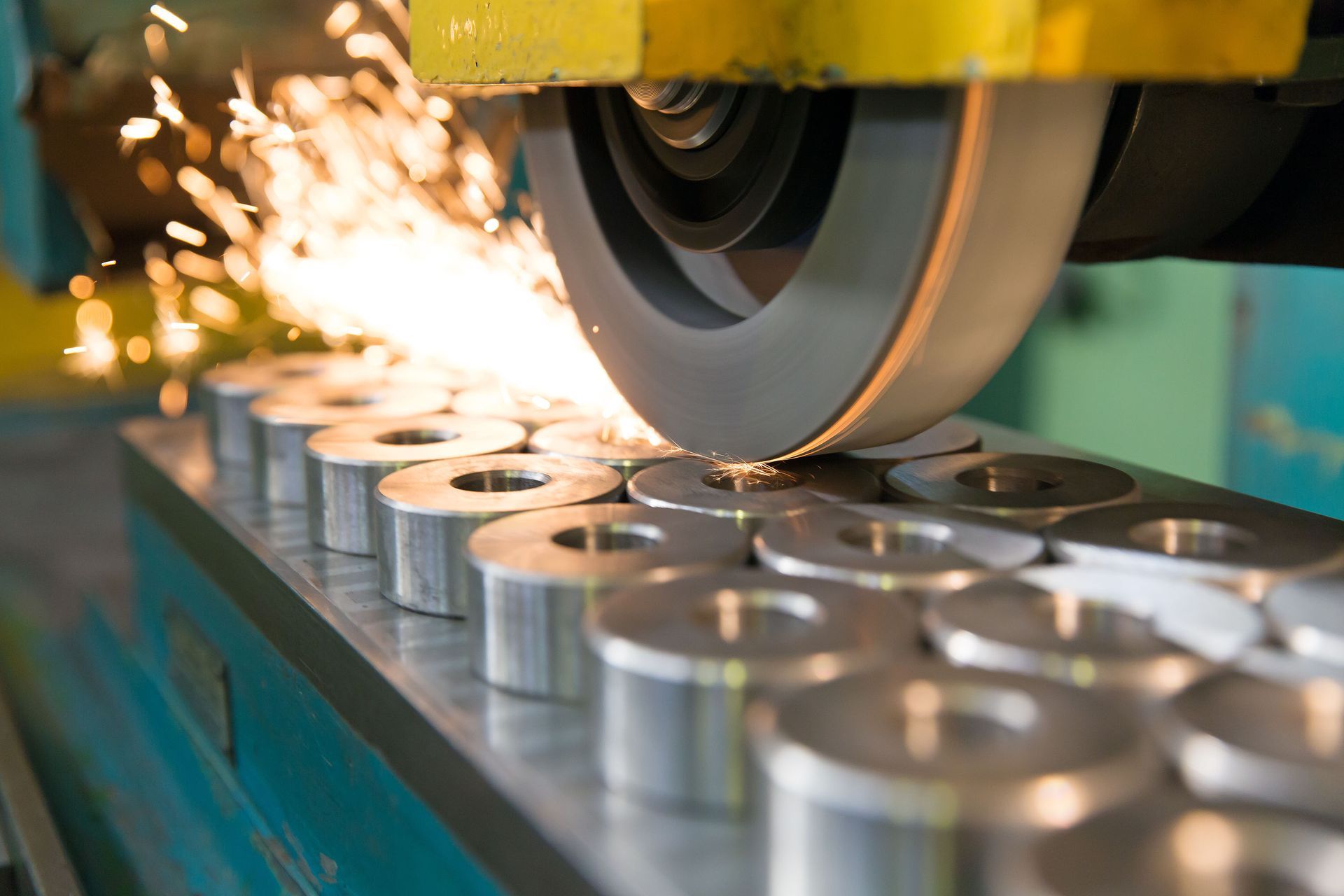
Various grinding methods can be used to maintain precision cutting tools, including surface grinding, cylindrical grinding, and centerless grinding. Surface grinding is typically employed for tools requiring flat surfaces, ensuring they maintain their structural integrity during use. Cylindrical grinding, on the other hand, involves grinding rotating surfaces, providing a precise finish to cylinders and cylindrical tools. Centerless grinding offers the advantage of supporting the workpiece between an internal drive surface and a grinding wheel, ideal for long, slender workpieces that may otherwise deflect. Each method offers unique benefits and applicability, necessitating professional assessment to determine the most appropriate approach for particular tools.
Frequency and Timing of Professional Grinding
The frequency of professional grinding depends on tool usage, the material being cut, and the operational environment. High-demand tools serving rigorous tasks may require more frequent grinding to ensure they operate at optimal capacity. Interval scheduling based on tool condition monitoring can be employed to determine ideal grinding timing, minimizing downtime while maintaining maximum tool efficiency. Developing a comprehensive schedule considering these factors helps maintain tool sharpness across prolonged usage. Such planning also prevents the undue burden of rushed maintenance, ensuring each tool receives diligent and thorough care as required.
Cost-Benefit Analysis of Professional Grinding
Conducting a cost-benefit analysis of professional grinding can reveal significant savings through prolonged tool life and improved manufacturing efficiency. While initial grinding costs may seem substantial, the extended service life and enhanced tool performance justify the expense. By reducing downtime and increasing production quality, professional grinding offers considerable financial advantages over time. Furthermore, minimizing tool failures and accidents results in increased operator safety and reduced liability. Companies that invest in regular grinding services often find that the long-term benefits far outweigh the costs, leading to improved profitability and customer satisfaction.
Grinding Techniques for Precision and Accuracy
Overview of Professional Grinding Equipment
Professional grinding equipment consists of a range of machines designed to deliver precise and accurate grinding outcomes. Surface grinders, cylindrical grinders, and tool and cutter grinders form the backbone of this equipment suite. Each machine is tailored to address specific grinding needs, from flat-surface finishes to intricate tool shapes. With advancements in technology, modern grinders now feature CNC capabilities for enhanced precision and automation. This equipment, when expertly operated, ensures that precision cutting tools remain sharp and ready for high-demand operations.
Importance of Operator Skill and Experience
The efficacy of professional grinding equipment significantly depends on the skill and experience of its operators. Trained operators are adept at selecting appropriate grinding wheels, techniques, and settings to match tool requirements. According to Industry Research, grinding applications account for approximately 23% of the total cutting tool market. Their experience allows them to anticipate and tackle challenges that may arise during grinding, ensuring optimal outcomes. Moreover, skilled operators maintain the intricate balance between removal rates and surface finish quality, critical for tool longevity. Investing in operator training and skill development is essential for maximizing the benefits derived from professional grinding equipment. Be sure to reach out to Bob's Cutter Grinding Service today for more information on our professional grinding!