January 13, 2026
Dull tools don’t just slow production—they quietly increase risk in environments where precision and control matter. In many industrial and commercial settings, maintenance is pushed aside in favor of speed, deadlines, and output. Unfortunately, neglected tools deteriorate in ways that are not always visible, creating hazards that can lead to injuries, downtime, and unnecessary expenses. Understanding how tools degrade and why consistent upkeep matters is essential for protecting both workers and operations. This awareness helps organizations make smarter decisions about safety and long-term efficiency.
Understanding How Tools Naturally Degrade
All tools degrade over time, even when they are used correctly and within recommended limits. Repeated stress causes gradual material fatigue, leading to microscopic cracks that weaken structural integrity. These changes often develop slowly, making them easy to miss without regular inspections. Left unaddressed, fatigue-related damage can cause tools to fail suddenly during use, creating dangerous and costly situations. Over time, these failures often appear without warning and interrupt normal operations.
Environmental exposure further accelerates degradation across many industries. Moisture, chemicals, and airborne contaminants contribute to corrosion, which weakens metal and alters tool geometry over time. As corrosion progresses, tools lose accuracy and stability, increasing the likelihood of malfunction during normal operation. Routine maintenance slows these processes and helps tools perform reliably for longer periods. Even small environmental controls can make a measurable difference in tool longevity.
Recognizing The Safety Risks Of Dull Or Damaged Tools
Dull or damaged tools significantly increase the risk of workplace injuries. When tools lose their effectiveness, operators instinctively apply more force to complete tasks. This added strain reduces control, increases fatigue, and raises the likelihood of slips or sudden breakage. What begins as a minor inconvenience can quickly escalate into a serious safety incident. These risks often appear during routine work when caution is lowest.
According to OSHA Safety Manuals, 8% of all workplace compensable injuries are caused by incidents associated with hand tools, some of which can be attributed to the tool being dull or broken. These injuries often occur during routine tasks where workers expect predictable performance. Regular servicing, including proper tool sharpening, helps reduce these risks by restoring performance and minimizing the excessive force that leads to accidents. Consistency in maintenance plays a direct role in keeping workers safer and more confident in their tools.
Identifying Maintenance Tasks Commonly Overlooked
Many organizations focus on repairing tools only after something goes wrong. This reactive approach overlooks basic preventive tasks that could have stopped problems from developing in the first place. Cleaning is one of the most commonly skipped steps, even though built-up debris can hide cracks, corrosion, or misalignment. Over time, accumulated grime also increases friction and accelerates wear. These issues often remain unnoticed until performance declines.
Lubrication and tightening are also frequently neglected in fast-paced environments. Without proper lubrication, moving parts grind against one another, generating heat and shortening tool life. Loose components compromise stability and precision, making tools unpredictable during use. These basic tasks form the backbone of effective maintenance and should be addressed consistently rather than occasionally. Small adjustments made early often prevent major repairs later.
Examining The Role Of Sharpening In Safe Operation
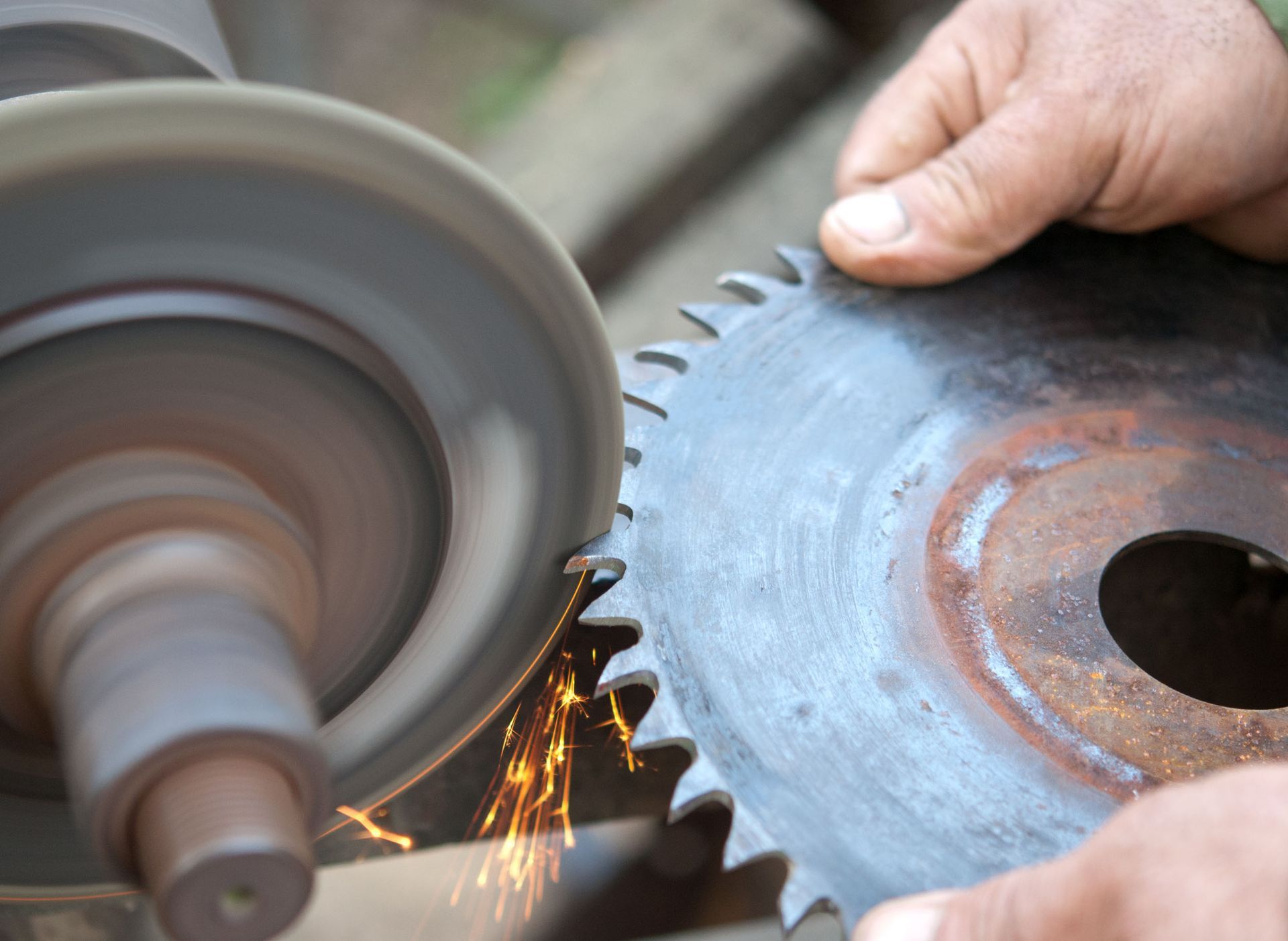
Cutting tools are especially vulnerable to performance loss as edges wear down through repeated use. A dull edge changes how a tool behaves, causing it to bind, drag, or jump instead of cutting cleanly. These behaviors increase the chance of sudden slips or loss of control, especially in high-pressure situations. Over time, operators may not even realize how much performance has been lost. This gradual decline often leads to unsafe workarounds.
Routine tool sharpening restores proper edge geometry and predictable performance. When tools cut efficiently, users exert less force and maintain better control. This reduces physical strain, improves accuracy, and supports safer working conditions. In professional environments, sharpening should be treated as a safety measure rather than a productivity bonus. Well-maintained edges also improve consistency across tasks and teams.
Evaluating The Financial Impact Of Skipped Maintenance
Preventive maintenance costs far less than emergency repairs and unplanned replacements. When tools fail unexpectedly, production slows or stops, schedules are disrupted, and rushed fixes often come at a premium. These disruptions affect not only budgets but also employee morale and customer timelines. Over time, repeated breakdowns compound financial strain. The hidden costs often exceed the price of routine care.
Consistent upkeep, including scheduled tool sharpening, extends tool lifespan and stabilizes operating costs. Businesses that invest in maintenance experience fewer interruptions and less variability in expenses. Predictable maintenance spending is easier to budget for than surprise replacements. Long-term, this approach delivers stronger returns on equipment investments. It also reduces the pressure to replace tools prematurely.
Preventing Downtime And Productivity Loss
Unreliable tools disrupt workflows and reduce overall efficiency across teams. A single malfunctioning tool can create a bottleneck that affects multiple stages of production. Workers may be forced to improvise, wait for repairs, or switch equipment mid-task. These interruptions reduce output and increase frustration. Productivity losses often ripple far beyond the initial failure.
Proactive maintenance keeps tools ready for use and minimizes unexpected delays. When equipment performs consistently, teams can focus on quality and efficiency rather than troubleshooting. Reliable tools also reduce the likelihood of rushed work, which often leads to errors or rework. Over time, consistency supports higher productivity and smoother operations. Stability in tooling directly supports stable workflows.
Managing Liability And Compliance Concerns
Tool-related injuries often trigger investigations into maintenance practices. When records show inconsistent servicing or neglected equipment, businesses may face fines, lawsuits, or increased insurance premiums. Documentation becomes critical when determining whether reasonable safety precautions were taken. Poor records often make otherwise avoidable incidents far more costly. Clear maintenance histories can significantly change outcomes.
Establishing routine inspections, documented schedules, and professional servicing—including regular tool sharpening—helps demonstrate a commitment to safety and compliance. These practices show regulators and insurers that maintenance is taken seriously. Strong documentation also protects businesses if incidents occur despite precautions. In many cases, it can significantly reduce legal and financial exposure. Compliance becomes easier when systems are already in place.
Building A Proactive Maintenance Culture
Effective maintenance begins with culture rather than equipment alone. When leadership prioritizes upkeep and communicates its importance, teams are more likely to follow through consistently. A proactive mindset shifts maintenance from a last-minute task to a shared responsibility. This approach improves both safety and accountability. Culture ultimately determines whether policies are followed.
Training programs that emphasize inspection, proper use, and timely servicing empower employees to identify issues early. Workers who understand how degradation occurs are better equipped to prevent failures. Incorporating professional services for precision tasks like
tool sharpening ensures consistency across tools and departments. Over time, a strong maintenance culture reduces risk and improves operational reliability. Education reinforces habits that protect both people and equipment.
Regular maintenance is not just an operational task—it is a safeguard against injury, downtime, and unnecessary expense. Dull or neglected tools increase risk, while consistent care improves safety, performance, and longevity across industries. At Bob’s Cutter Grinding Service, we’ve proudly supported businesses throughout Greenville, SC and the surrounding areas since 1974 with dependable modification and sharpening services. If you’re ready to improve safety, extend tool life, and keep your operation running smoothly, reach out to us today for a free quote—we’re here to help keep your tools working the way they should.