September 18, 2026
Operational downtime represents one of the most persistent threats to profitability in modern industrial manufacturing and processing environments. When production lines come to a sudden halt, the financial repercussions ripple throughout every layer of an organization. Deadlines are missed, labor hours are wasted, and client relationships are strained as teams struggle to recover lost momentum. While facility managers often attribute unexpected delays to major machinery breakdowns or complex supply chain disruptions, the root cause is frequently far simpler and much smaller. In many cases, the primary culprit is nothing more than a dull or improperly maintained cutting tool.
Every cutting edge in a manufacturing facility undergoes continuous friction, heat, and structural degradation during normal operation. As these edges lose their initial sharpness, machines must consume more energy and work noticeably harder to push through raw materials. This extra effort introduces unnecessary mechanical stress across motors, spindles, and drive assemblies, setting off a chain reaction of wear and tear. Relying on professional tool sharpening services establishes a proactive defense against these operational bottlenecks. By maintaining sharp, precise tools across every shift, organizations ensure that their primary equipment operates efficiently while minimizing the risk of costly unscheduled stoppages.
Examining the Hidden Costs of Dull Tools
Working with compromised or dull cutting implements creates a cascade of hidden expenses that quietly erode an enterprise's bottom line. When a blade, drill bit, or router loses its microscopic cutting geometry, it ceases to shear material cleanly. Instead, the dull edge tears, fractures, or burns its way through the workpiece, forcing machine operators to reduce feed rates and slow down overall cycle times just to complete a single job. Over time, these minor speed reductions accumulate into dozens of lost production hours every single month.
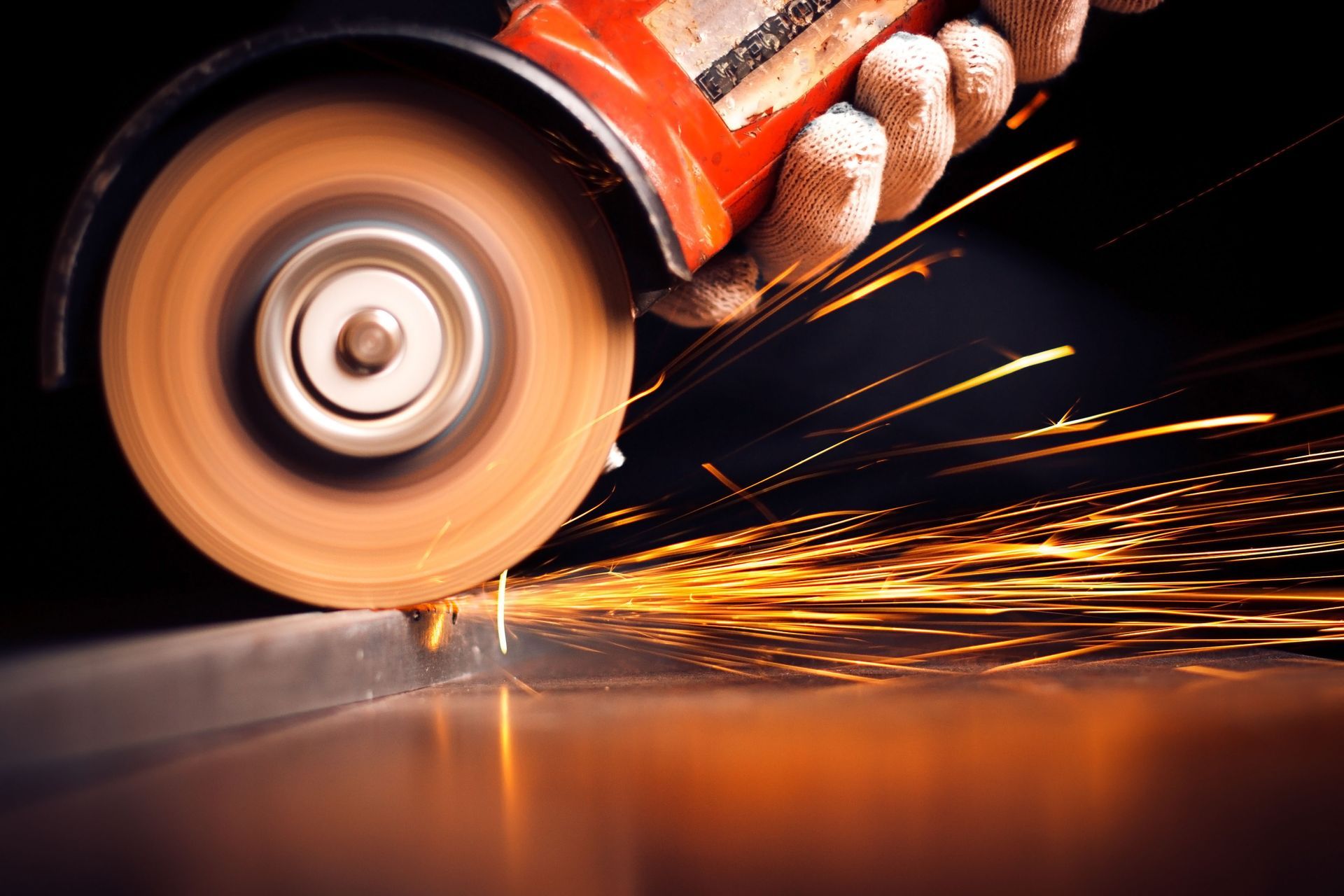
Beyond lowered productivity, worn cutting implements pose serious physical hazards to both equipment and operators. According to NVT, failing to maintain your tools properly can lead to expensive breakdowns, lower efficiency, and serious safety risks. Pushing a blunt tool beyond its intended tolerance increases the likelihood of catastrophic metal failure, which can send shards of shattered carbide into delicate machine assemblies or toward nearby personnel. Furthermore, the extreme friction produced by dull edges generates excess heat that can warp expensive drive shafts, burn out electric drive motors, and melt surrounding raw stock. Engaging commercial tool sharpening services protects a company's financial investment by catching micro-fractures early and restoring ideal cutting dynamics before structural failure occurs.
Comparing In-House Care With Specialized Services
Faced with the ongoing need for blade maintenance, many facility managers attempt to handle edge grinding and reconditioning using internal maintenance staff. While an internal maintenance team excels at basic equipment adjustments and general mechanical upkeep, sharpening specialized modern cutting tools requires a level of micro-level precision that standard bench grinders simply cannot deliver. Standard hand-regrinding methods often apply inconsistent bevel angles across the tool, stripping away necessary tool coatings and unevenly removing metal stock.
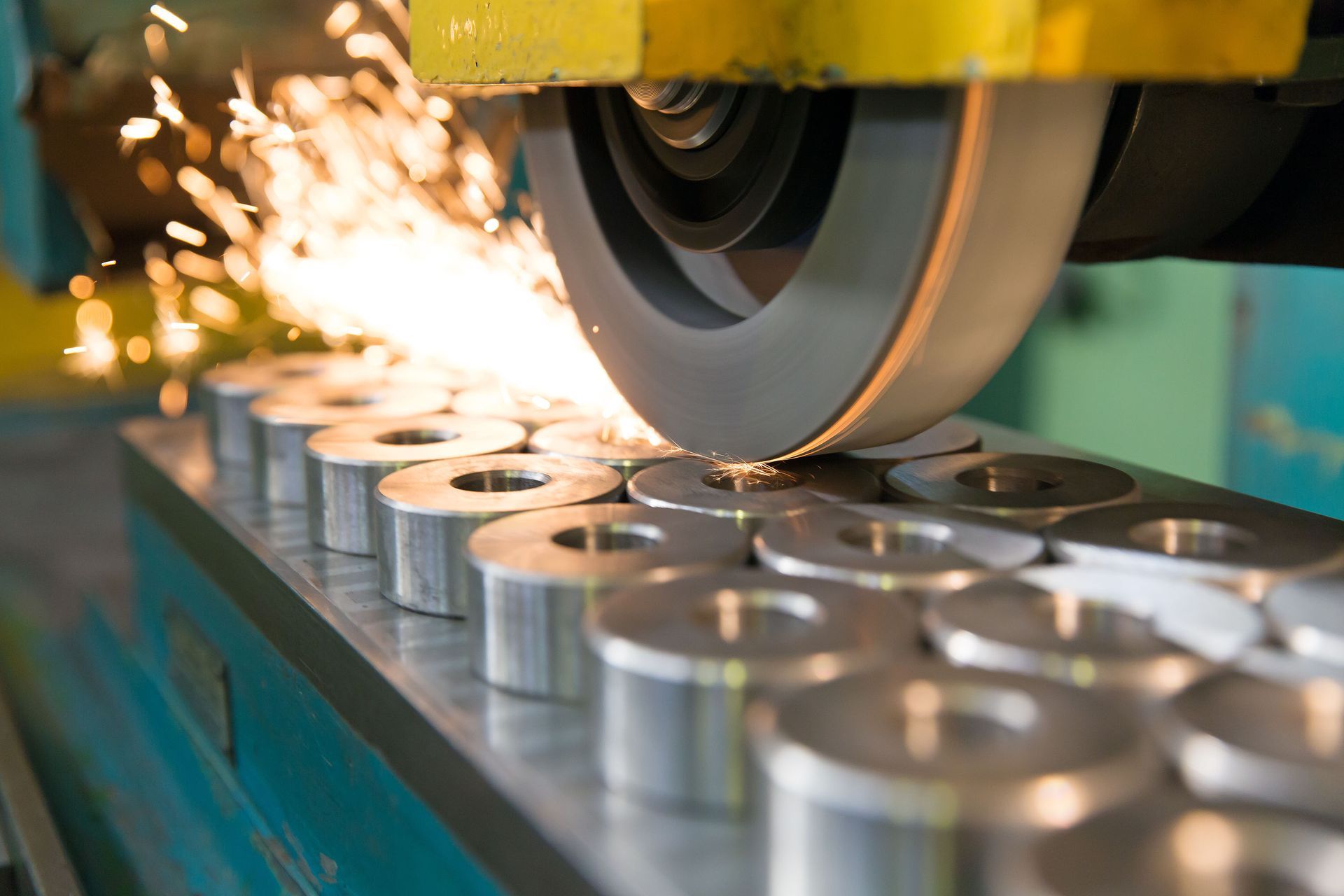
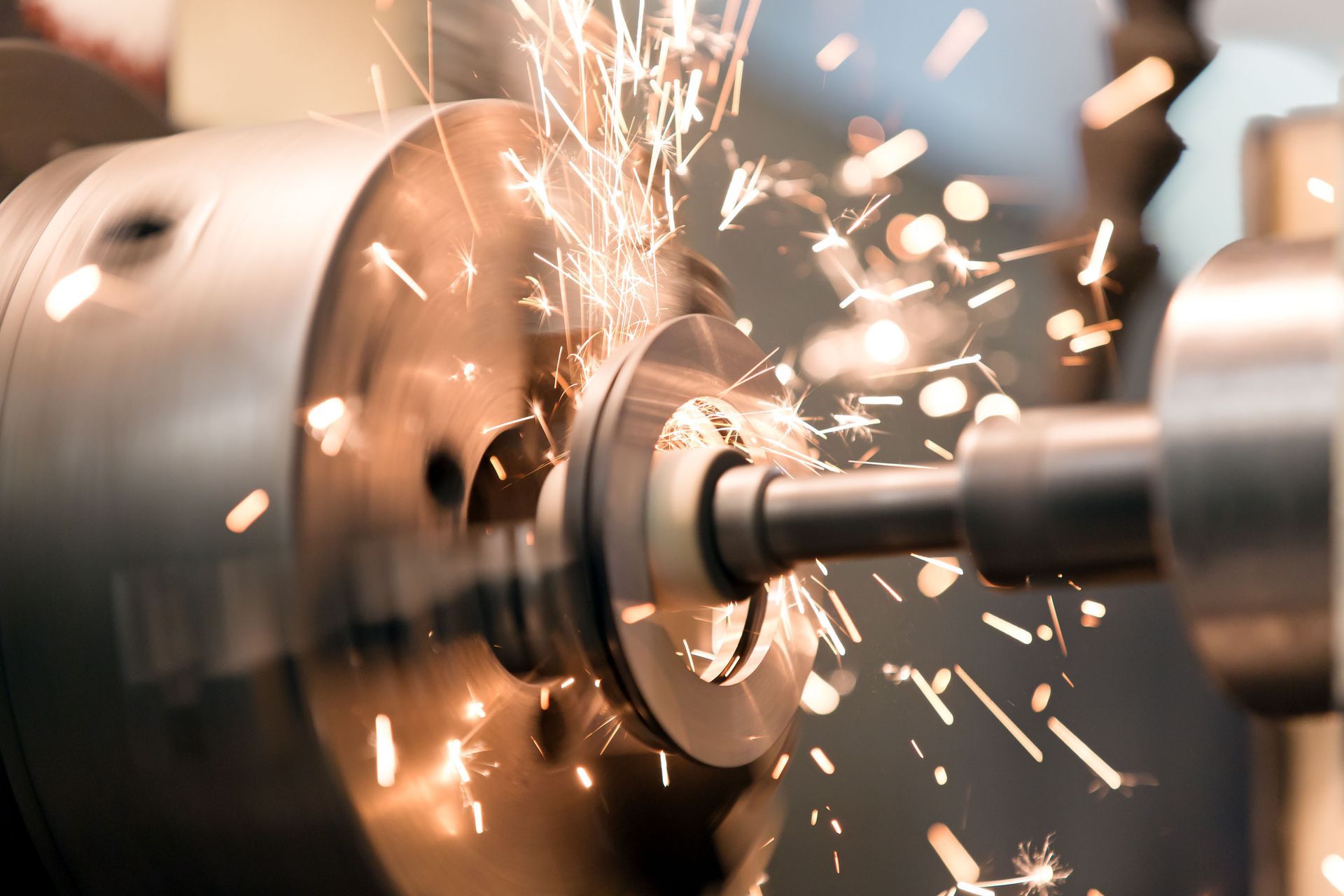
In contrast, partnering with dedicated tool sharpening services gives industrial operations access to advanced multi-axis CNC grinding systems and specialized diamond wheel assemblies. Commercial sharpening facilities utilize laser-guided measuring systems to inspect each tool, identifying minute micro-cracks and material fatigue invisible to the naked eye. They systematically re-establish exact original factory angles and apply specialized protective coatings that resist intense heat build-up. This level of technical reconditioning ensures that re-sharpened tools perform at or near brand-new manufacturing specifications, extending the overall usable lifespan of expensive tooling inventories and eliminating the trial-and-error approach common in DIY sharpening attempts.
Assessing the Workflow Benefits of Scheduled Service
Integrating scheduled commercial tool sharpening services into a facility's standard operating procedure turns maintenance from a reactive crisis into a predictable, manageable workflow. Rather than waiting for a blade to burn a workpiece or break off inside a machine, commercial sharpening operations work on structured rotation schedules. Facilities maintain a balanced inventory of secondary tooling, allowing worn components to be swapped out during planned shift changes without interrupting live production runs.
This organized rotation strategy eliminates emergency downtime by ensuring that every machine is always equipped with a sharp, factory-calibrated edge. Operators can run equipment at optimal engineered feed rates with absolute confidence in structural safety and dimensional accuracy. Furthermore, establishing a regular servicing arrangement with commercial providers gives management clear visibility into tool wear patterns over time. Understanding how quickly specific tools wear down under various workloads enables purchasing departments to make better-informed choices regarding material selection, tooling investments, and machine speeds, ultimately driving higher operational efficiency across the entire plant floor.
Evaluating Quality Improvements in Finished Products
The physical condition of a cutting tool directly governs the ultimate quality of the finished product coming off the line. Dull cutting edges routinely introduce cosmetic and structural defects, such as heavy burring, frayed edges, surface discoloration, and dimensional variances that fall outside customer tolerances. When a batch of parts fails quality control inspection, the business suffers twice: first from the wasted raw materials that must be scrapped, and second from the extra machine time required to rerun the entire order.
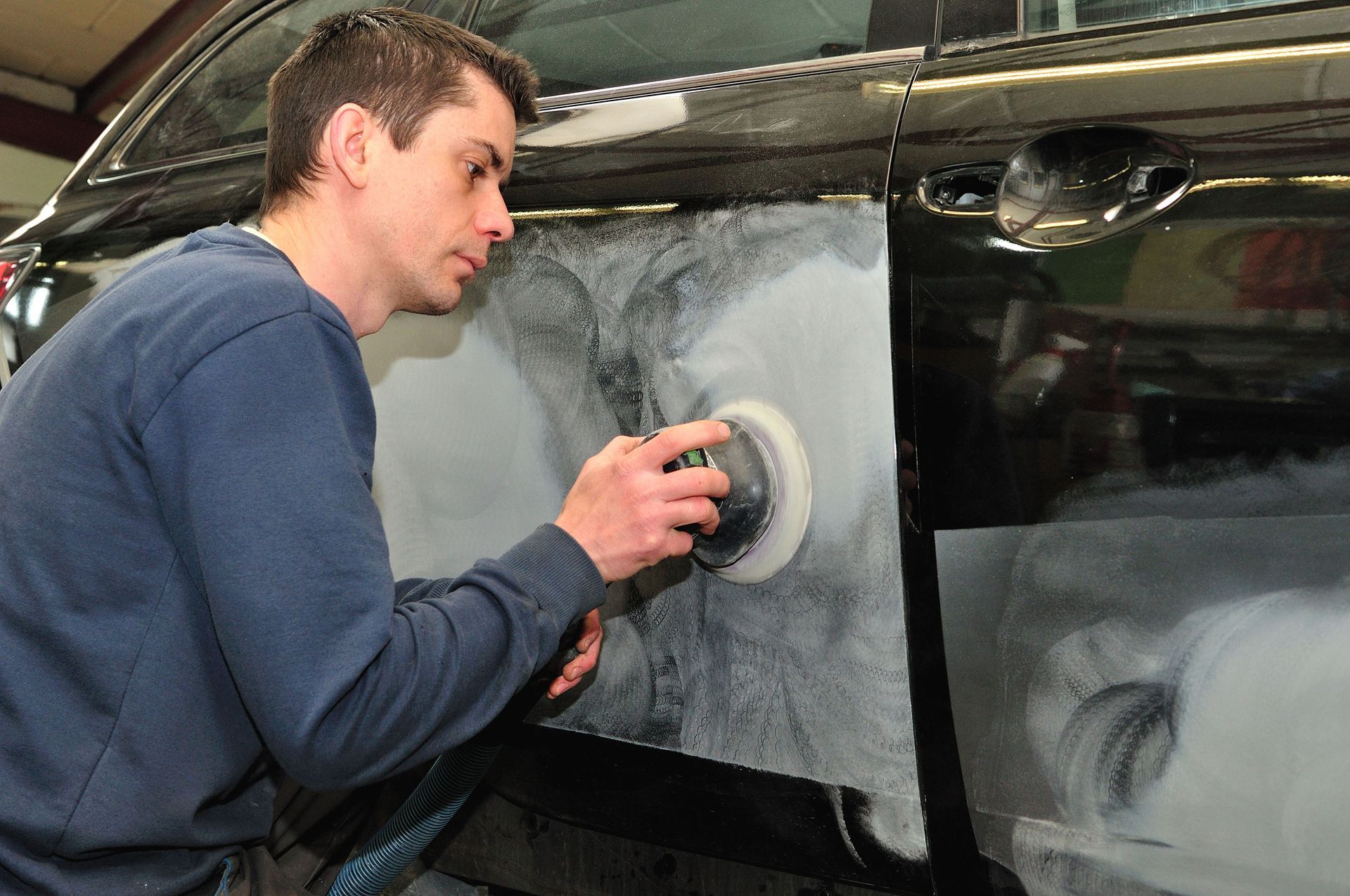
By utilizing industrial tool sharpening services, companies maintain exceptionally high standards of output quality and repeat accuracy. Sharp, professionally ground edges produce clean cuts, smooth surface finishes, and crisp corner radii on every pass, virtually eliminating the need for secondary manual deburring or labor-intensive touch-ups. Consistently high product quality protects brand reputation, satisfies strict regulatory requirements, and reduces expensive material scrap rates. Preventing quality-related scrap keeps production lines moving forward seamlessly rather than forcing teams to waste valuable machine capacity on avoidable rework cycles.
Extending Machinery Lifespan Through Proactive Care
Industrial machinery represents a major capital investment, and protecting that asset requires keeping every connected component in prime working condition. Modern automated machinery, such as multi-axis CNC mills, automated panel saws, and high-speed robotic routing stations, is built to precise mechanical tolerances. When these complex machines are forced to drive dull cutting edges through dense, stubborn materials, the resulting back-pressure puts extreme mechanical stress on internal ball screws, spindle bearings, and guide rails.
Over time, this continuous physical strain leads to premature mechanical wear, unexpected component alignment loss, and expensive hydraulic or electrical failures. Leveraging specialized tool sharpening services acts as a form of preventative health care for the primary machinery itself. Sharp tools cut cleanly with minimal physical resistance, allowing drive motors to run cooler and spindle bearings to operate without excessive vibration. By keeping cutting resistance low, facilities significantly extend the operational lifespan of their core capital equipment, lower their long-term facility maintenance costs, and avoid the catastrophic downtime associated with complete machine overhauls.
Maximizing Resource Efficiency and Environmental Sustainability
In today's competitive industrial landscape, operational efficiency is closely tied to sustainable resource management. Discarding dull or worn cutting tools and replacing them with brand-new inventory is an expensive practice that generates unnecessary industrial waste. Most high-performance industrial tools are crafted from precious alloys, solid carbide, and high-speed steels that require significant energy and resources to mine, refine, and manufacture.
Partnering with professional tool sharpening services supports sustainable manufacturing principles by extending the lifecycle of premium metal alloys. A single high-quality carbide saw blade or end mill can often be re-sharpened and re-coated multiple times before reaching the end of its structural life, delivering the same cutting performance as a new tool at a fraction of the cost. This circular approach to tool management lowers overall procurement budgets while conserving valuable raw materials. Ultimately, prioritizing regular edge maintenance creates a leaner, safer, and far more reliable production environment, proving that proactive tool care is essential for reducing operational downtime and achieving sustained commercial success. To keep your equipment running at peak efficiency and protect your bottom line from unexpected delays, contact Bob's Cutter Grinding Service today for precision sharpening solutions tailored to your production needs.